Oahu Travel Guide
Oahu Snorkeling Guide
Oahu's waters are home to hundreds of reef fish species, green sea turtles, spinner dolphins, and some of the clearest snorkeling in the Pacific. Here are the best spots on the island, with what to expect at each one and tips to make the most of your time in the water.
Best for beginners
Hanauma Bay
Best for advanced
Shark's Cove (summer)
Best for marine life
Electric Beach
Spot Locations
Best Snorkeling Spots on Oahu
Hanauma Bay
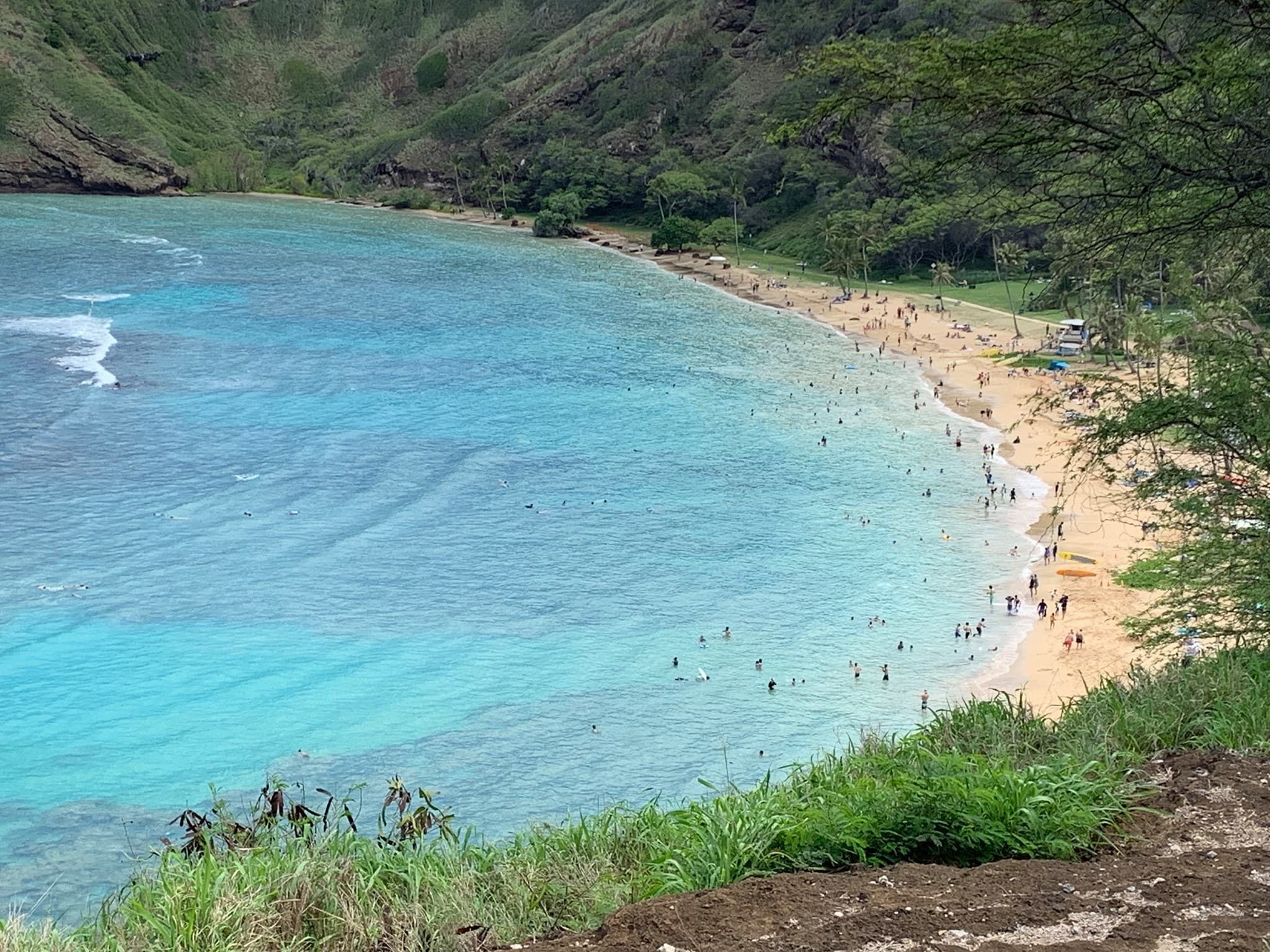
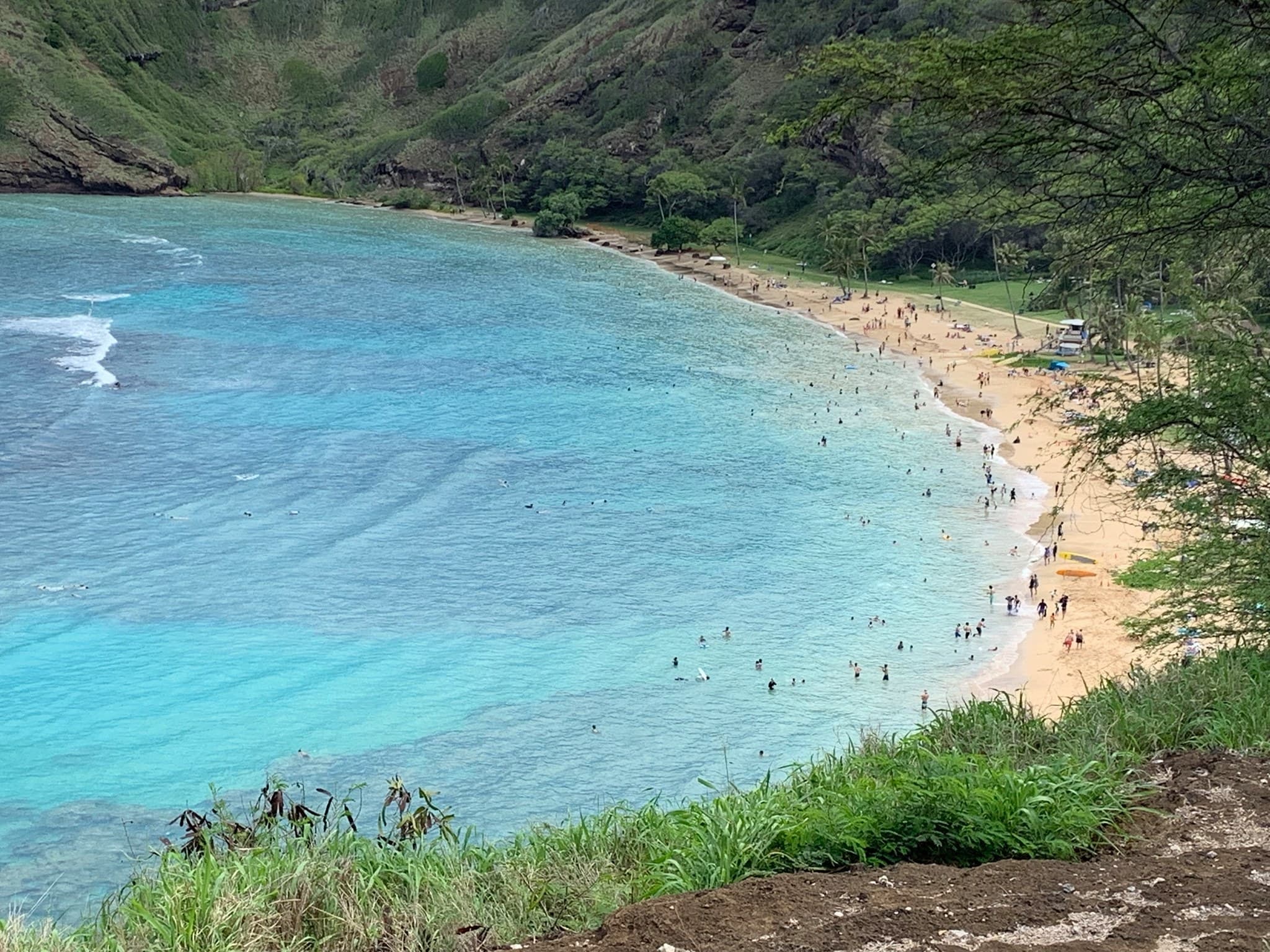
All levelsSoutheast OahuHanauma Bay is the most famous snorkeling spot in Hawaii and one of the best in the world. It sits inside a protected marine preserve within a collapsed volcanic crater. The water is crystal-clear, the reef fish are abundant, and the sandy bottom is approachable for all skill levels. Green sea turtles are a regular sighting. The bay's marine ecosystem is exceptionally healthy thanks to strict visitor limits and conservation management.
Tip
Reservations are mandatory and sell out two days in advance at hawaiistateparks.reserveamerica.com ($25 per person). The morning slots from 7 to 8 AM have the clearest water and calmest conditions. Bring your own gear if possible because rentals at the bay are available but more expensive. Non-reef-safe sunscreen is prohibited by law.
Shark's Cove
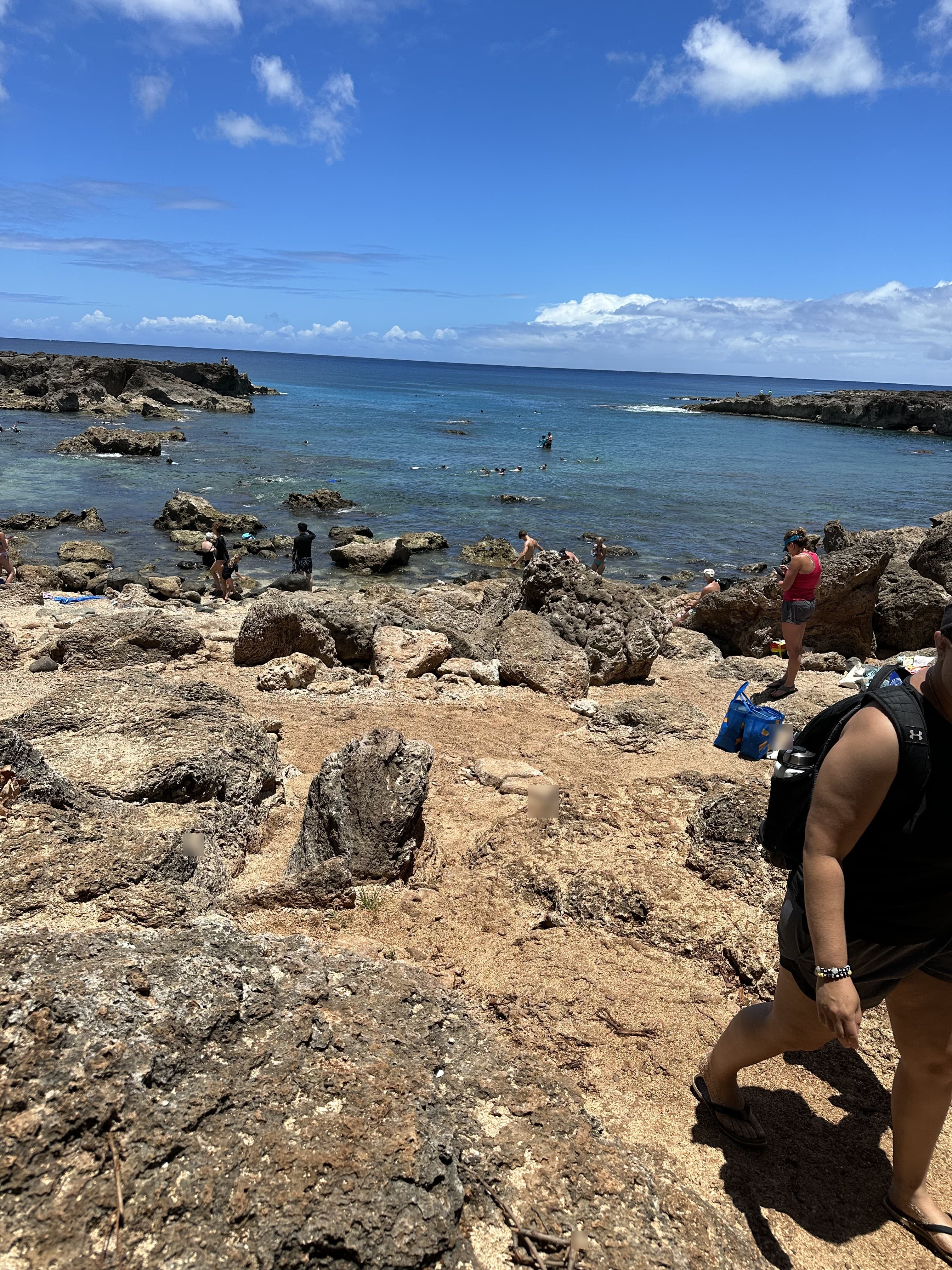
IntermediateNorth Shore (Pupukea)Shark's Cove is a large tide pool and lava rock formation on the North Shore that becomes one of Oahu's best snorkeling and diving spots in summer. The protected cove is teeming with Hawaiian sergeant fish, needlefish, sea turtles, and octopus. The underwater lava formations create caves and tunnels that divers and advanced snorkelers can explore. Visibility is exceptional on calm days.
Tip
Only snorkel at Shark's Cove in summer from May through September. In winter, the North Shore surf makes it extremely dangerous. The entry is over sharp lava rocks so water shoes are helpful. Arrive early on weekends because parking fills by 8 AM.
Electric Beach (Kahe Point)
IntermediateWest Oahu (Ko Olina area)A power plant on the west coast discharges warm water into the ocean at Kahe Point, creating a unique underwater environment that attracts large marine life. Spinner dolphins, sea turtles, reef fish, and occasionally humpback whales in season congregate in this area. This is not a classic beach snorkel. The draw is the open-water marine life just offshore.
Tip
Access is from a small roadside pull-off on Farrington Highway with no facilities. Bring fins to manage the current effectively. The warm water discharge makes this spot productive year-round and it is significantly less crowded than Hanauma Bay. Visibility is best during calm morning conditions.
Three Tables
IntermediateNorth Shore (Waimea area)Three Tables takes its name from three flat reef formations visible above the surface at low tide. The site sits adjacent to Shark's Cove and offers similar reef snorkeling with more open-water access. Sea turtles, reef fish, and occasional eagle rays make this a reliable summer spot. The same seasonal rules apply as Shark's Cove.
Tip
Combine a visit with Shark's Cove because they are within easy walking distance of each other. The three flat reef formations make good reference points for navigation while in the water. Avoid this spot in any surf above two feet.
Ko Olina Lagoons
BeginnerWest OahuFour man-made lagoons near the Ko Olina resort area have calm, protected water and decent snorkeling along the rock walls separating each lagoon. They are not as fish-rich as Hanauma Bay but are reliable for beginners, young children, and families. The water stays calm and clear, and turtles occasionally swim through.
Tip
The lagoons are public access despite being adjacent to major resorts. Parking is limited so arrive early or walk from farther away. Lagoons 3 and 4 tend to have the best snorkeling along the rock walls.
Hanauma Bay Outer Reef
AdvancedSoutheast OahuBeyond the main bay at Hanauma, the outer reef drops off dramatically and gives advanced snorkelers access to larger fish, eels, and more dramatic coral formations. Strong swimmers can reach it by swimming through a channel in the inner reef. The outer reef is significantly more exposed to current and should only be attempted by confident swimmers on calm days after checking conditions.
Tip
Always check ocean conditions with a lifeguard before attempting the outer reef. The inner bay is excellent for most visitors. Only attempt the outer reef if you are a strong swimmer and comfortable in open water with current.
Snorkeling Tips for Oahu
Go early morning
Ocean conditions are calmest in the morning before trade winds pick up. Water visibility peaks between 7 and 10 AM at most sites. The afternoon typically brings more surface chop and reduced underwater visibility.
Use reef-safe sunscreen only
Hawaii law bans sunscreens containing oxybenzone and octinoxate. Beyond the legal requirement, these chemicals bleach coral reefs. Use mineral sunscreen with zinc oxide or titanium dioxide and wear a rash guard to reduce the amount of sunscreen needed in the water.
Rent or buy fins
Fins dramatically improve the snorkeling experience by reducing effort, improving control, and making it possible to keep pace with sea turtles. Rental fins are available at $5 to $10 per day at dive shops near most sites.
Never touch anything
Do not touch coral, fish, turtles, or any marine life in the water. Coral is living and a single touch causes damage. Feeding fish disrupts their natural behavior. By law you must stay at least 10 feet from sea turtles at all times. Look but do not touch.
Frequently Asked Questions
Where is the best snorkeling on Oahu?
Hanauma Bay is the best overall snorkeling spot. It is protected, beginner-friendly, and consistently full of marine life. For more advanced snorkelers or those who want fewer crowds, Shark's Cove on the North Shore (summer only) rivals Hanauma in fish diversity and exceeds it in underwater terrain. Electric Beach on the west side is unmatched for large marine life encounters including dolphins and turtles.
Is Hanauma Bay worth it?
Yes, without question. The reservation requirement and entry fee filter out casual visitors, keeping the bay in excellent condition. The underwater visibility is among the best on the island, turtle sightings are reliable, and the marine ecosystem is thriving. It is the single best snorkeling experience most Oahu visitors will have. Book your reservation two days in advance.
Do I need to know how to swim to snorkel in Oahu?
Basic swimming ability is needed but you do not need to be a strong swimmer. At calm spots like Hanauma Bay and Ko Olina Lagoons, the water is shallow and protected. A simple swim-and-float capability is sufficient. Avoid open-water sites like Electric Beach or North Shore spots if you are not a confident swimmer.
When is the best time to snorkel on Oahu?
Summer from May through September is best overall. It produces calmer water on the North Shore, opening spots like Shark's Cove, and generally better visibility across the island. Hanauma Bay is excellent year-round. The best time of day is early morning from 7 to 10 AM when the water is calmest and clearest.
Should I bring my own snorkel gear or rent?
Renting is practical for most visitors. Full snorkel sets rent for $10 to $20 per day at shops in Waikiki and Kailua. If you own a properly fitted mask, bringing it ensures the best seal and comfort. Fins are bulky to pack so renting them locally makes more sense.
Can I snorkel with sea turtles in Oahu?
Yes. Sea turtle sightings are very common at Hanauma Bay, Electric Beach, and Shark's Cove. Hawaiian green sea turtles (honu) are protected by law and you are required to stay at least 10 feet away and never touch them. They often approach snorkelers on their own, which makes the encounter one of the highlights of Oahu water activities.
Related Oahu Guides
Plan Your Snorkeling Day on Oahu
AlohaGo builds a day-by-day Oahu itinerary that schedules snorkeling at the right spots on the right days, timed around tide, crowds, and your other activities.